
Our Programs
Learn From Legends.
Create Your Sound.
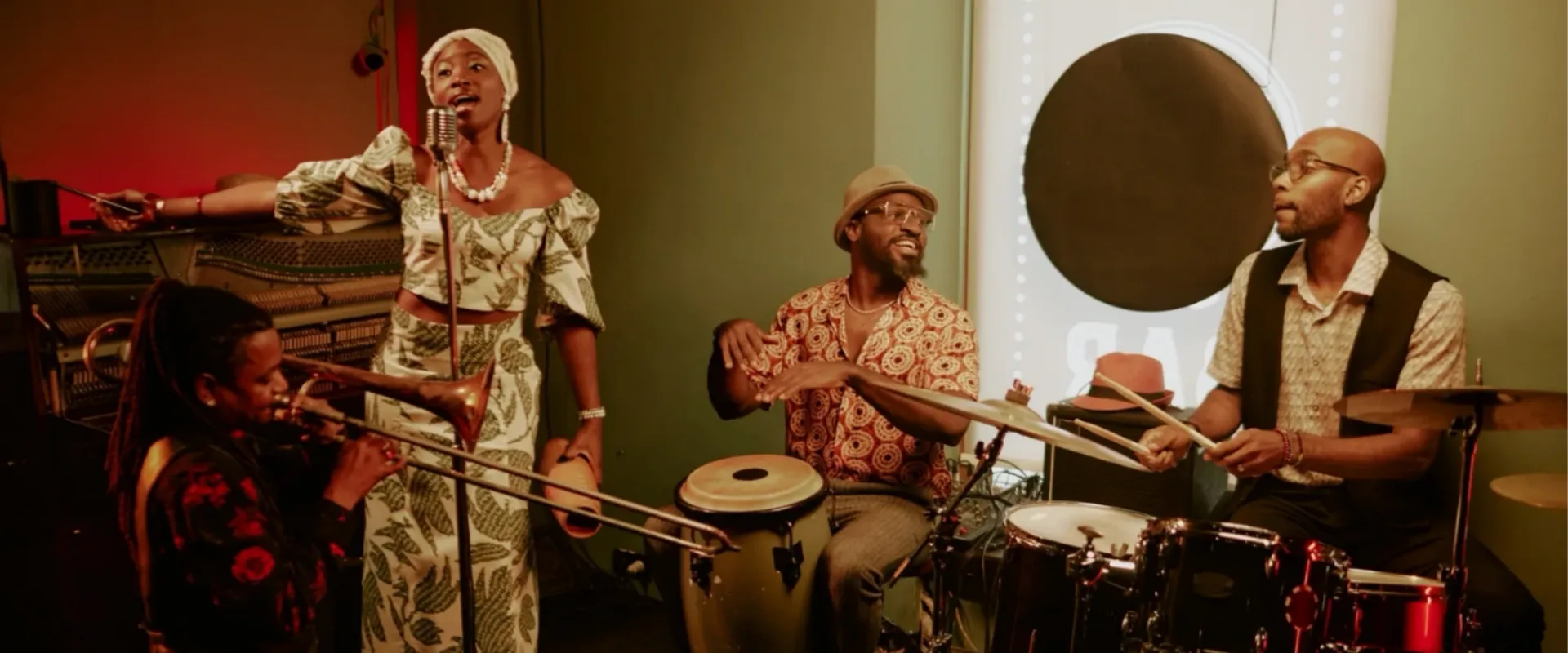
Our programs connect students and young musicians directly with world-class artists who have shaped the sound of generations. Step in, listen deep, and find your groove.
Masterclass Program Information
Ages
10–25
Educational Levels
Middle school, high school,
and university students
Session Length
One two-hour session
Format
90-minute interactive presentation
followed by a 30-minute Q&A
Social-Emotional Learning Through Music
Social-emotional learning (SEL) helps young people understand and manage emotions, build positive relationships, make responsible decisions, and navigate social situations. We incorporate these skills into music-making through listening, teamwork, creative choices, supportive feedback, and reflection.
Syllabus
The Time Band Masterclass
“Playing by Ear and Feelings to Create Your Sound”
This interactive masterclass introduces students to live instruments and shows them how musicians work together to create the sound of a band.
Each instructor will demonstrate the role of their instrument by playing an individual part. Students will then have an opportunity to play the instruments themselves while receiving hands-on instruction and coaching from accomplished professional musicians.
Students will learn how to listen, play by ear, connect feelings to music, and understand how the individual parts of a song come together. They will also develop confidence by participating directly with the musicians.
The instructors will provide the equipment used during the masterclass:
- One drum set
- One bass guitar
- One rhythm guitar
- Two keyboards
Ages 10–25
“Discipline is the Key to Greatness”
Your Instructors
With the Legends Themselves

Kirk Johnson
Drums
Monte Moir
Keyboards
Dr. Fink
Keyboards
Tori Ruffin
Guitar
Ricky "Freeze" Smith
Bass
Curriculum
What You'll Learn
The Art of Playing by Ear & Feel
- Train your ears to recognize melodies, harmonies, and rhythms without sheet music.
- Learn how to translate what you hear into what you play — instantly.
- Develop your own voice as a musician by connecting emotion to your instrument.
Finding Your Place in the Groove
- Understand how to lock into a groove so your playing feels natural and unshakable.
- Discover how to blend and complement other musicians while still standing out.
- Learn the subtle art of dynamics and expression to make every note count.
Building Confidence & Discipline
- The habits and practice methods that separate good musicians from great ones.
- How to "stay in the pocket" and never rush or drag your parts.
- Tips from the pros on performing live with ease and charisma.
Creating Your Own Sound
- Explore improvisation, solos, and how to "play outside the lines" while staying connected to the music.
- Blend different genres — from funk to soul to pop — to build your signature sound.
- Learn how to make your instrument sing in any style.
Instrument-Specific Training
Every Instrument. Every Role.
Each instrument section breaks down technique, listening skills, and performance tips — showing you how to collaborate with the full band to create music that moves people.
Drums
Learn the foundation of timekeeping, the pocket, and how to set the pace for the entire band.
Jaw-Dropping Drummer
Instructed By Kirk Johnson
Bass
Lock in with the drums to create a rock-solid groove that drives the music.
Funky Bassist
Instructed By Ricky "Freeze" Smith
Guitar
Explore rhythm, lead, improvisation, and how to add textures to a song.
Tuneful Guitarist
Instructed By Tori Ruffin
Keyboards
Use piano, synthesizers, and sound design to bring a spectrum of colors and moods.
Maestro Keyboardist
Instructed By Monte Moir and Dr. Matt Fink
Social-Emotional Learning Connection
Playing together creates opportunities to practice active listening, patience, shared responsibility, and respect for each person's contribution. Students explore how musicians respond to mistakes, communicate clearly, and support one another.
Outcome
Students ages 10–25 will leave with a stronger musical ear, a deeper sense of groove and timing, and the confidence to perform alongside others — carrying the discipline and feel of legendary musicians into every instrument they play.
Program 01
Live Instrument Presentations
Students experience the power of live music up close — watching and learning directly from legendary musicians performing on real instruments. These sessions bring the stage into the classroom, showing young people what mastery looks and feels like in real time.
- 2-hour Presentations
- 90-minute instrument presentation
- 30-minute Q&A
- Up-close performances by world-class musicians
- Instrument demonstrations across drums, bass, guitar & keys
- Q&A sessions with the legends themselves
- Hands-on time with instruments after each session
Who It's For
Students ages 10–25 of all skill levels — from beginners picking up an instrument for the first time to advanced players looking to elevate their craft. Schools, community centers, and youth programs welcome.
Book a PresentationTrain Your Ears
The ability to hear music deeply — to feel the groove, recognize the harmony, and respond in real time — is what separates good musicians from great ones. This program builds that skill from the ground up.
The Time Band Instructors
Program 02
Ear Training
Rooted in the philosophy of playing by ear and feel, this program teaches students to listen deeply, recognize musical patterns, and translate what they hear directly to their instrument — no sheet music required.
- Recognize melodies, harmonies, and rhythms by ear
- Develop your internal sense of groove and timing
- Learn to play what you feel — not just what you read
- Build musical vocabulary through deep listening exercises
Program 03
Youth Recording Programs
Students step into a real recording environment — learning the fundamentals of music production, studio technique, and how to capture their sound professionally.
Studio Fundamentals
Learn how a professional recording studio works — from signal flow and microphone placement to mixing basics and monitoring.
Instructor Tracey Blake
Music Production
Explore beat-making, arrangement, and production techniques used by the legends — and apply them to your own original music.
Instructor Tracey Blake
Record Your Sound
Students leave with a recorded track they created — a real, tangible piece of music that reflects their voice and artistic identity.
Instructor Tracey Blake

Masterclass
No Hats Allowed Masterclass
Artist: Tracey Blake
The No Hats Allowed Masterclass helps students explore their creativity, develop their own sound, and understand the importance of artistic versatility while remaining true to themselves.
Students will participate in a mobile computer recording studio session. The instructor will demonstrate the recording process and show students how to record their own songs.
Through hands-on participation, students will learn about songwriting, performance, recording, musical identity, and the basic steps involved in transforming an idea into a recorded song. All recording equipment needed for the presentation will be provided by the instructor.
Ages 10–25
Featured Work
Change to Chill
Tracey Blake
Learning Objectives
Understand the benefits of exploring multiple genres as an artist
Understand how your voice is an instrument and how to use it across different genres
Analyze the role of production in shaping genre and mood
Develop confidence in creating music that reflects authentic influences
Key Topics
Breaking the "single-genre" mindset
Artistic identity vs. genre labels
Using your voice as an instrument across genres
Production techniques across genres
Blending influences while maintaining cohesion
Assignments & Activities
Create a short piece in two different genres — using your instrument, voice, or a combination — while keeping your artistic identity intact
Analyze an artist known for genre versatility and identify the common thread that makes their work feel cohesive
Produce or arrange a piece that blends at least two genres, incorporating your primary skill (instrument, vocals, songwriting, or production)
90-minute presentation · 30-minute Q&A
Social-Emotional Learning Connection
Students explore how music can communicate feelings and identity while practicing confidence, openness to different perspectives, and encouraging feedback. Creative collaboration gives them opportunities to make decisions and recognize the value of their own and others' ideas.
Outcome
Students ages 10–25 — whether they play an instrument, write songs, sing, or create in any form — will leave with a clearer artistic identity, a deeper understanding of how genre and production shape their sound, and the confidence to create music that is unmistakably their own.
Featured Program
Rap & Choir Collaboration Contest
Students write original rap verses to a song, while school choirs sing the background. The student who wins the rap contest earns the honor of having their verse recorded on the final track — a real, lasting piece of music they helped create.
Songwriting
Students craft original rap verses that reflect their voice and story.
Choir Collaboration
School choirs provide the background vocals, uniting students across disciplines.
Real Recording
The winning rap verse is recorded on the actual song — a lasting achievement.
Masterclass
The Right to Write: Your Voice, Your Choice
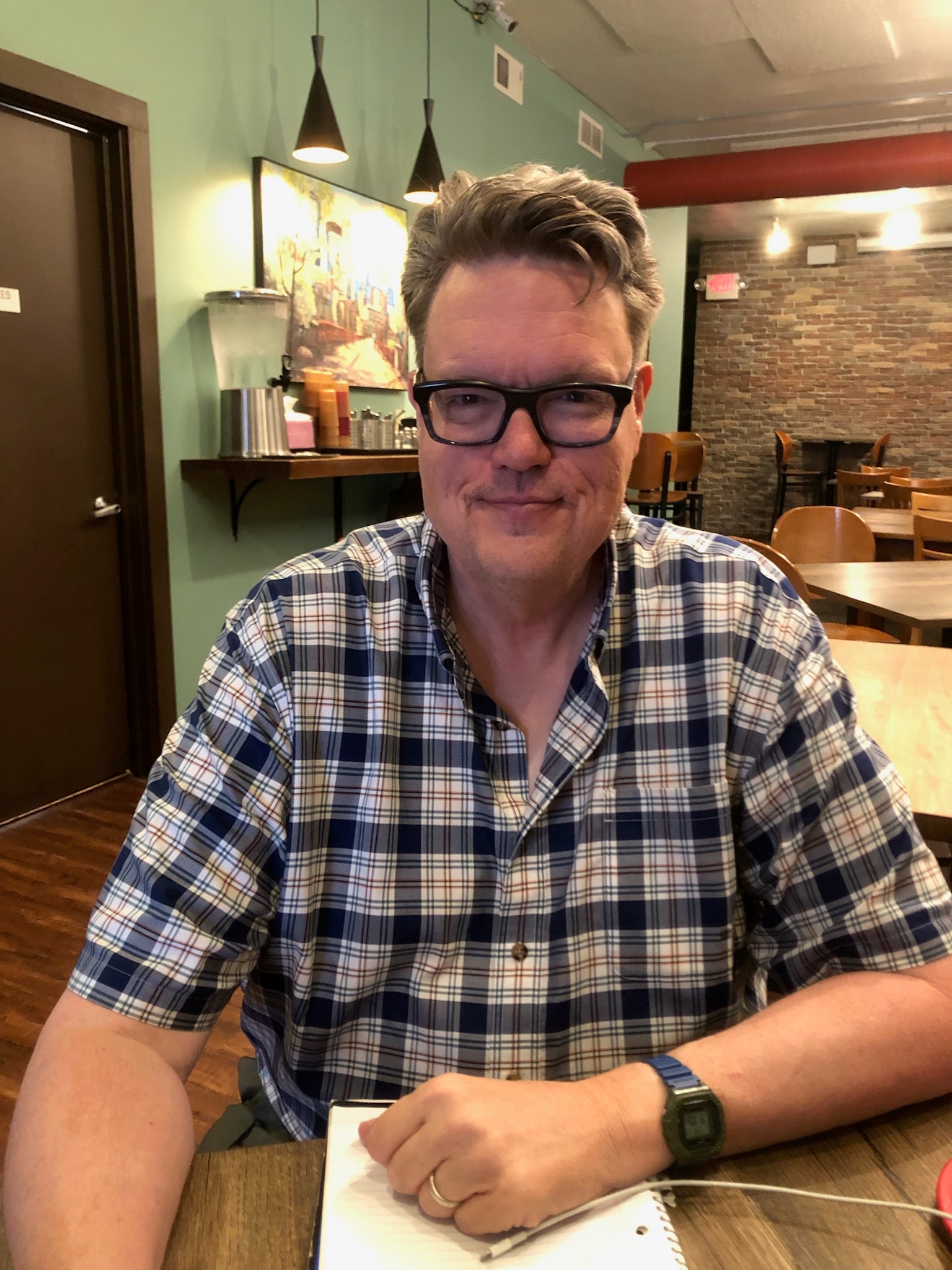
Instructor: Peder Engebretson
Ages
10–25
Educational Levels
Middle school, high school,
and university students
Session Length
One two-hour session
Format
90-minute interactive presentation
followed by a 30-minute Q&A
The Right to Write Masterclass helps students discover the power of their voices through writing and creative expression. Students will learn how their personal experiences, thoughts, feelings, and ideas can be transformed into meaningful creative work.
Through discussion and hands-on writing activities, Peder Engebretson will guide students through the creative process and help them develop confidence in expressing their ideas authentically.
Each student may choose the form of writing that best represents their individual voice, including:
- Song lyrics
- Poetry
- Short stories
- Spoken-word pieces
- Other forms of creative writing
Students will have an opportunity to read or perform their work for the group if they wish. Sharing is encouraged, but it is never required.
The session will conclude with a question-and-answer period focused on writing, creativity, education, and artistic development.
Peder Engebretson was born in St. Paul, Minnesota, and now lives in Minneapolis. He taught English for 34 years in Twin Cities-area high schools. In 2016, he earned a Master of Fine Arts in poetry from Hamline University. Now retired, he is continuing his quest to support young people academically and socially through his Poetry Masterclass Presentation.
Student Choice and Participation
Students will be invited to participate in the activity that best reflects their interests—songwriting, poetry, personal reflection, or another form of creative writing. Participation and sharing are encouraged but never required. Each student will have the freedom to choose how they wish to express their creativity.
Learning Objectives
Recognize the connection between poetry and song lyrics
Use imagery, emotion, rhyme, and rhythm in their writing
Practice several lyric-writing techniques
Write at least one verse and a chorus idea
Core Writing Strategies
Show, Don't Tell
Instead of naming emotions, describe experiences. Paint a picture that makes the listener feel without being told what to feel.
Imagery & the Senses
Good lyrics create movies in our minds. Use sight, sound, smell, taste, and touch to bring your words to life.
Use Metaphors
Compare two things without saying "like." A metaphor transforms the ordinary into something unforgettable.
Write From Something Real
The best songs come from a memory, a dream, a fear, a hope, or someone important. Start with what you know.
Session Flow
Welcome & Icebreaker
"What's Your Favorite Lyric?" — students share songs that stick with them and explore why words create emotion.
What Makes Lyrics Different?
Explore how poetry and lyrics share rhythm, emotion, and imagery — and what makes lyrics singable and memorable.
Rhythm & Repetition
Clap beats, read lines aloud, and discover why great choruses repeat — and how syllables shape a song's feel.
Write Your Own Song
Step-by-step guided writing: choose an emotion, finish prompts, then craft a four-line verse and a one-line chorus.
Share & Celebrate
Volunteers read their work aloud. Every voice is applauded. Lyrics don't need music to be powerful.
30-Minute Q&A
Open conversation with Peder — craft, career, creativity, and anything students want to know about writing, creativity, education, and artistic development.
Key Takeaways
Great lyrics tell the truth
Show feelings instead of naming them
Use images people can see and feel
Rhythm matters more than perfect rhyme
Repetition creates memorable choruses
Write first, edit later — every songwriter starts with a blank page
Social-Emotional Learning Connection
Writing offers students a way to recognize emotions, consider different perspectives, and reflect on how words affect others. Students may draw from personal experiences or imagined situations, with sharing always optional.
Outcome
Students ages 10–25 will leave with a completed verse and chorus idea that is entirely their own — along with a set of lyric-writing tools, a stronger creative voice, and the understanding that their story is worth telling through song.
Closing Encouragement
“Every song begins as a single line. Don't wait for perfect words — start with honest ones. The more you write, the more you'll discover your own voice. Someone, somewhere, may one day need the song that only you can write.”
— Peder Engebretson
Social-Emotional Learning Connection
Every Student Has a Way to Participate
Participation can include listening, writing, singing, discussion, or supported hands-on activities. Students are not required to perform solo or share personal experiences. We work with school and youth-program staff to adapt activities to participants' ages, experience, and accessibility needs.
Bring a Masterclass to Your Community
Interested in a program for your school or youth organization? We welcome conversations about student interests, program options, and potential grant or sponsorship partnerships to reduce financial barriers.
Ready to Find Your Sound?
Support our mission to bring The Time Band Masterclass and more programs to students, young people, and communities everywhere.